
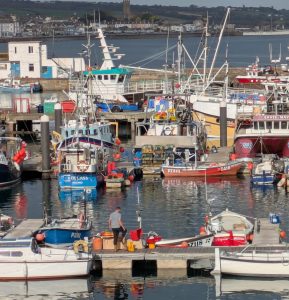
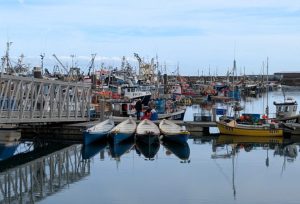
Driving by Newlyn harbour early on a January morning, the waterfront is a hive of activity. Hauliers big and small drive up and down the strand past rows of local fishmongers with doors open wide in all weathers – tempting in early risers from locals to visiting tourists alike. It’s an attractive scene of people going about their day-to-day lives. But none of it would exist without the local fishermen – the cogs of the community.
W. Stevenson & Sons is one of the many family-led fishmongers located directly across from where local boats land the freshest fish directly to Newlyn market.
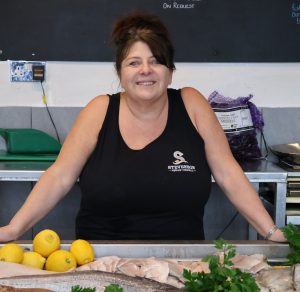
Elaine Lorys, master fishmonger, serves a steady stream of customers. Formerly from a retail background, Elaine has worked at the shop for 30 years and her daughter now works in the industry too.
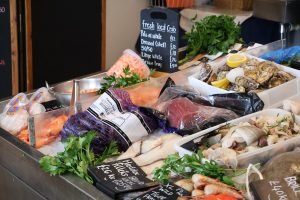
“We’re very community orientated here” shared Elaine. “It’s lovely to work with fishermen that you know and see them go out. It’s a family business as well. Lots of them come up through the generations which is what we want more of now.”
As a tight knit community, Elaine is also well aware of the risks and dangers for the fishermen she speaks to daily. Recent talk in the shop has revolved around the aftermath of recent storm Goretti and the hope of some calmer days for fishing ahead.
“Sometimes I’ll ask, surely you’re not going out today, surely you’re not going out in this,” said Elaine of her frequent conversations with their fishing fleet. She is also keen to point out that going out in all weathers is a danger that not everyone sees or appreciates – despite their appetite for seafood. “A lot of visitors don’t understand why we don’t have sardines when it’s blowing a gale, they don’t understand why the boats aren’t out.”
And for Elaine the fishermen she works with support more than just her shop and business, they’re a key part of wider community life too. “If we ever do a charitable event, the skippers will bring in extra fish and donate some to local schools where children are learning about seafood and how to cook with it,” revealed Elaine. Seafood and fishing is woven into the fabric of life in Newlyn.
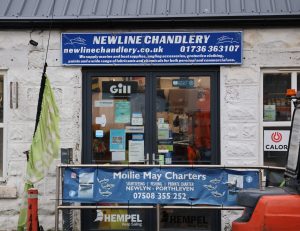
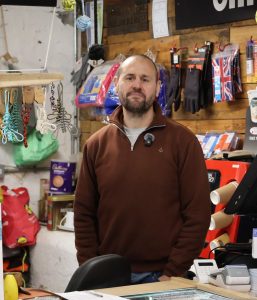
Round the corner, this sense of community is just as strong at Newline Chandlery, a specialist supplier of commercial and angling merchandise. Surrounded by oil skins, boots, paint and ropes, owner Neal Turner stands servicing a number of PFDs while talking to customers who have come not just for goods and the right safety gear, but also for connection.
“My family have been in Newlyn for years.” shared Neal, “I’ve always been in direct contact with fishermen, a lot of them I knew as a kid growing up.”
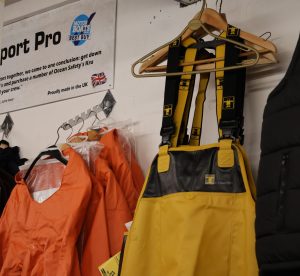
With a lot of leisure-based marine chandleries around the country closing, Neal also knows that his business has stood the test of time thanks to the fishermen he knows and who trust him. And for him, safety is everything, it’s the heart and soul of his business and his own personal mission. The certificates of donation to the Fishermen’s Mission hanging from the walls of his shop are testament to that. Beyond selling and repairs, Neal also converts up-cycled safety gear such as life jackets and life rafts into bags, the profits of which go directly to the charity.
“It comes full circle” shares Neal “I like to think that the proceeds are going back to help the fishermen who likely bought this safety equipment in the first place.”
As one customer brings a batch of cupcakes to Neal in thanks for his help, it’s clear that spaces like the chandlery are not just shops but community hubs for the fishing industry. Shop owners like Neal are providing a vital and practical safety service in the form of equipment but they also promote wellbeing on shore, offering advice and a safe space to connect and chat.
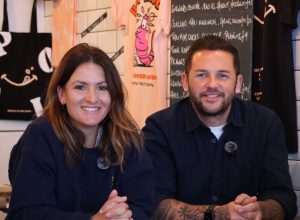
Further up the road in Padstow, Rick and Katie Toogood of award-winning restaurants Prawn on the Lawn and Barnaby’s are preparing for a busy season ahead. As a successful business, they’ve made their name thanks to the close links they have with local fishermen and the innovation opportunities that the diversity of local seafood presents.
“The creative side to the menu is completely dictated by the fishermen and what they catch.” shared Katie. “It makes a huge difference to the concept of what we’re doing, it’s exciting for customers.”

And aside from the sheer enjoyment of eating the food on the menu, customers to Prawn on the Lawn benefit from knowing just where it comes from which adds to the popularity and uniqueness of the experience. “When our customers are here, we can tell them who caught the fish. The staff have met lots of our suppliers and sometimes they pop in during service, with crab, lobster and fish. We don’t have a back door so it just comes in the front of the restaurant past tables. You get everyone standing up to take photos of the lobsters at the door which is nice.”
The couple has also done some work with the Fishermen’s Mission and safety crops up in conversations with suppliers. Rick is able to speak from first-hand experience of being out on the boats with the fishermen they work with; “It is hard work” he shared, “you can see the risks from the moment you’re on the boat to the minute you get back in. And lots of these guys are on their own and out for hours, starting in the pitch black first thing in the morning.”
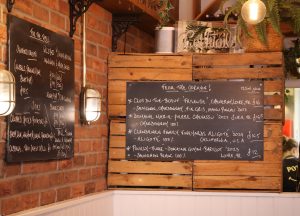
Surrounded by blackboards with dishes ranging from Gurnard ceviche, Porthilly oysters, tuna kofta, garlic mussels and more, Prawn on the Lawn is a restaurant whose suppliers are at the heart of their ethos and their innovation cycle. That personal connection and community is critical, and safety is a clear priority for the team.
“If fishermen weren’t able to do their job safely, we would definitely feel some kind of responsibility that they are doing that to supply us” sums up Katie.
And keeping fishermen doing their jobs safely is the priority for Clive Palfrey of Seafood Cornwall Training – who works across the whole of the South West in ports, harbours and communities – and whose own job depends on them.
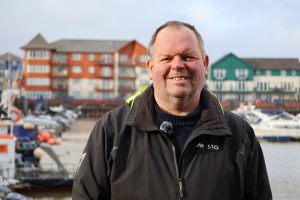
“The point of Seafood Cornwall is to train and educate fishermen in safety. The organisation was set up by the fishing industry and is run by members of the fishing sector. The future fisherman wants to have a good, safe job. So by keeping your boat safe, and the industry safe, that’s only going to encourage more people into the industry.”
And the industry is vital for other businesses to thrive, a point which is key to the shared responsibility clearly felt by those we spoke to in the South West for the fishermen they work with day in day out.
“We need to respect what fishermen go through to bring their catch ashore. Economically, they are bringing in a lot of value to their local ports, which also creates lots of other jobs,” concludes Clive.
Strong backing and recognition from people like Elaine, Neal, Rick, Katie and Clive should be a call to action for others to speak out and support fishermen everywhere. Safety at sea is something the whole industry has a stake in achieving.